
#174 Thoughtscapes: A new way to see your thinking
Most of us move through our days surrounded by thoughts yet rarely stop to notice the shape of them. We analyse, we problem‑solve, we reflect, but we often treat thinking as something that happens in us rather than something we can step back and look at.
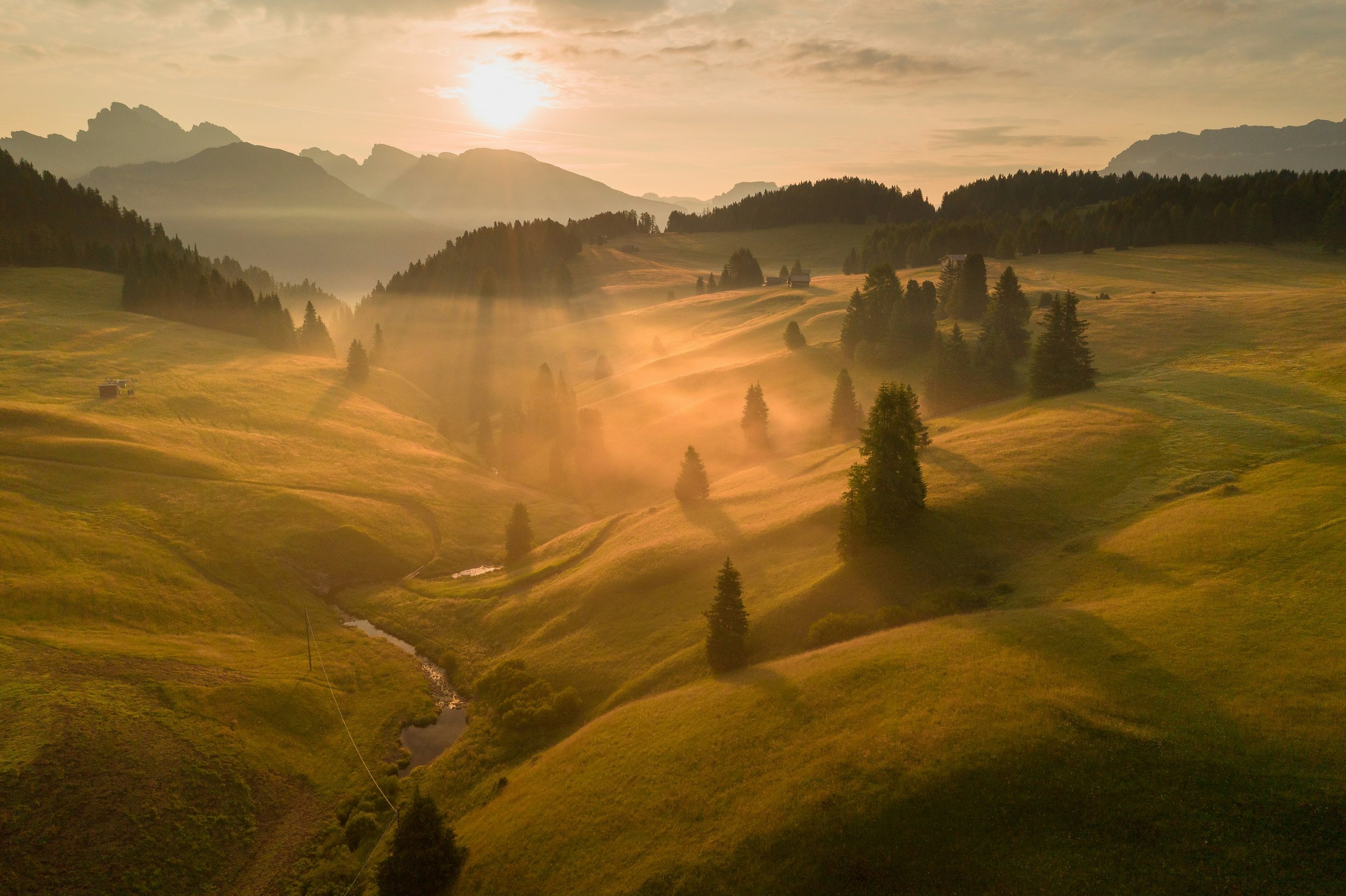
The idea of a thoughtscape offers a different way in. It invites us to imagine our thinking as a landscape - something with contours, textures, pathways and horizons. A place we can explore rather than a stream we’re swept along by.
What is a thoughtscape?
A thoughtscape is a mental landscape: a way of visualising the inner world of ideas, associations, intuitions and questions. Instead of treating thoughts as isolated units, a thoughtscape helps us see how they cluster, how they relate and where they lead.
It’s a metaphor, yes, but a surprisingly practical one. When we imagine our thinking as a terrain, we gain access to new forms of awareness:
What feels crowded or cluttered
What feels open or expansive
Where we keep returning
What we avoid
What sits on the horizon, waiting to be explored.
This shift - from thinking to visualising our thinking - can be quietly transformative.
Visual landscapes give us language for complexity. They allow for:
Multiplicity: many things can exist at once
Movement: we can wander, pause, climb or rest
Perspective: distance changes what we notice
Choice: there are always multiple paths.
In coaching and supervision, these qualities help people work with uncertainty, nuance and emergence, without rushing to tidy things up.
What makes up a thoughtscape?
1. Spatiality
Thoughts take on form. Peaks of insight. Valleys of doubt. Dense forests of detail. Open plains of possibility.
2. Visualisability
A thoughtscape becomes clearer when we sketch it, map it or give it shape. Visualising thinking helps us externalise what’s been internal.
3. Curiosity-led exploration
Rather than starting with a problem, we follow what draws our attention. Curiosity becomes the compass.
4. Structure and fluidity
A thoughtscape has patterns, but it’s not fixed. Ideas shift. New paths appear. Old ones fade.
5. Meaning-making
A thoughtscape reveals what matters. It surfaces values, assumptions and the quiet logic beneath our choices.
Why this matters for reflective practice
When people map their thoughtscape, something interesting happens: they stop trying to solve their thinking and start trying to understand it.
This opens space for:
deeper self-awareness
more grounded decision-making
noticing blind spots and biases
reconnecting with what feels alive or important
working with complexity rather than against it.
For coaches in supervision, the thoughtscape becomes a shared terrain - a place to walk alongside someone as they explore their inner world.
An invitation
Next time you feel stuck, overwhelmed, or full of ideas, try asking yourself:
If my thinking were a landscape, what would it look like?
Where am I standing in it?
What’s drawing my attention?
What’s hidden behind the next ridge?
You may find that the simple act of imagining your thoughtscape gives you a new vantage point - one that helps you navigate with more clarity, spaciousness and choice.
If you would like to explore these ideas further, you might consider undertaking a Coaching Signatures Profile: a metaphor-rich visualisation of your coaching landscape and how it shifts between different clients.
To celebrate recently becoming an Accredited Coaching Signatures Supervisor, I’m offering coaches the opportunity to complete a Coaching Signatures Profile for themselves and for one of their clients, and to review them in a 121-supervision session, for a special introductory price of £195 (full price: £300).
Contact me to express interest.
